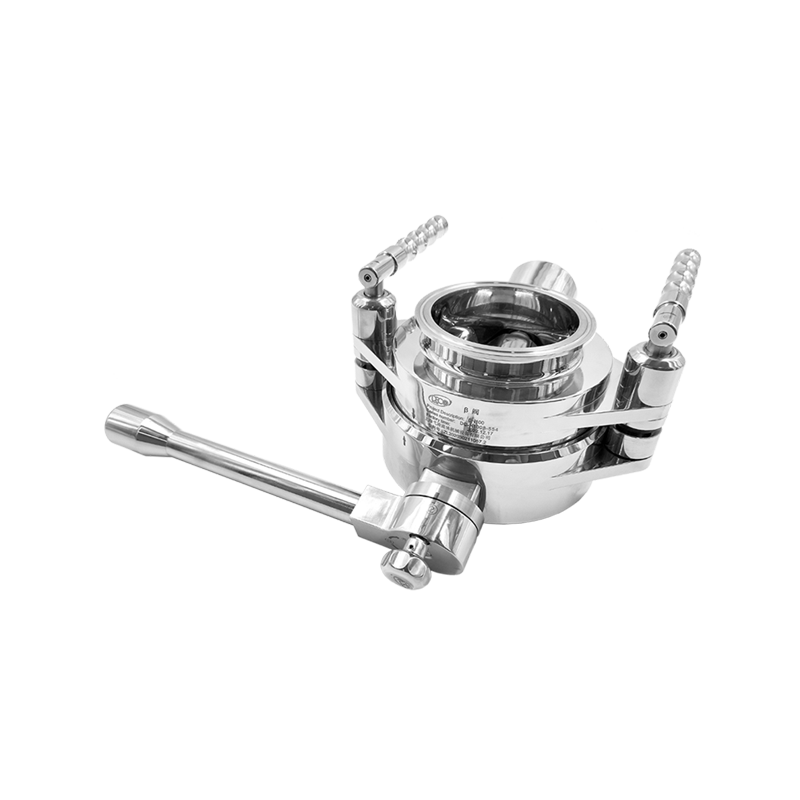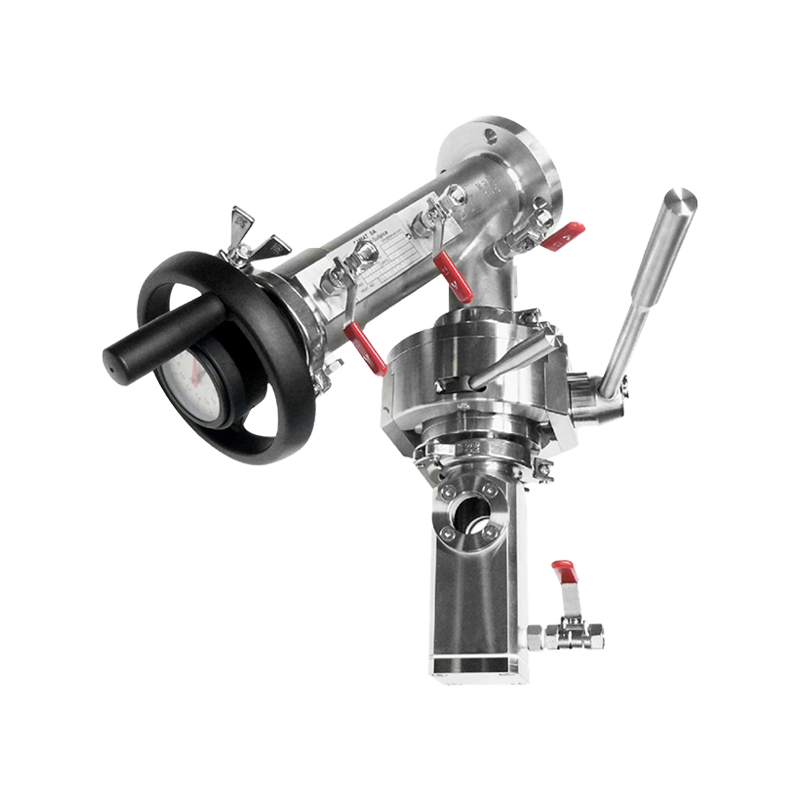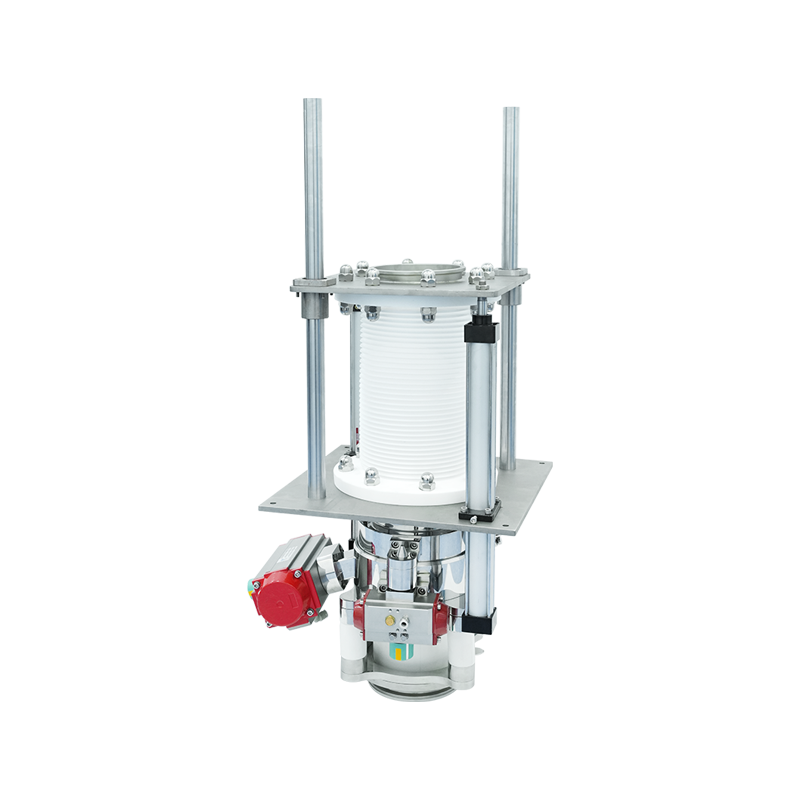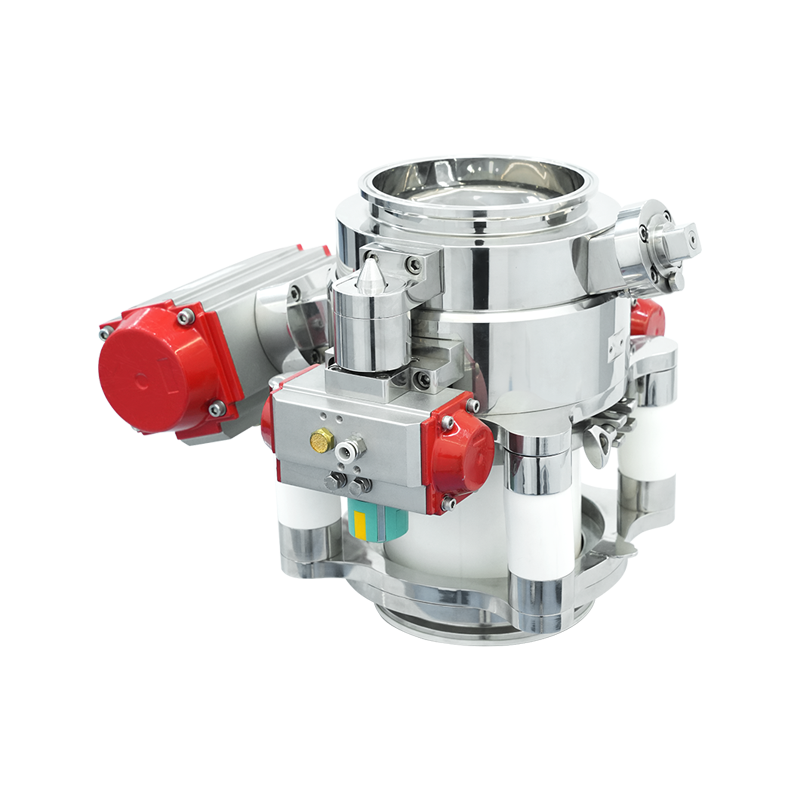


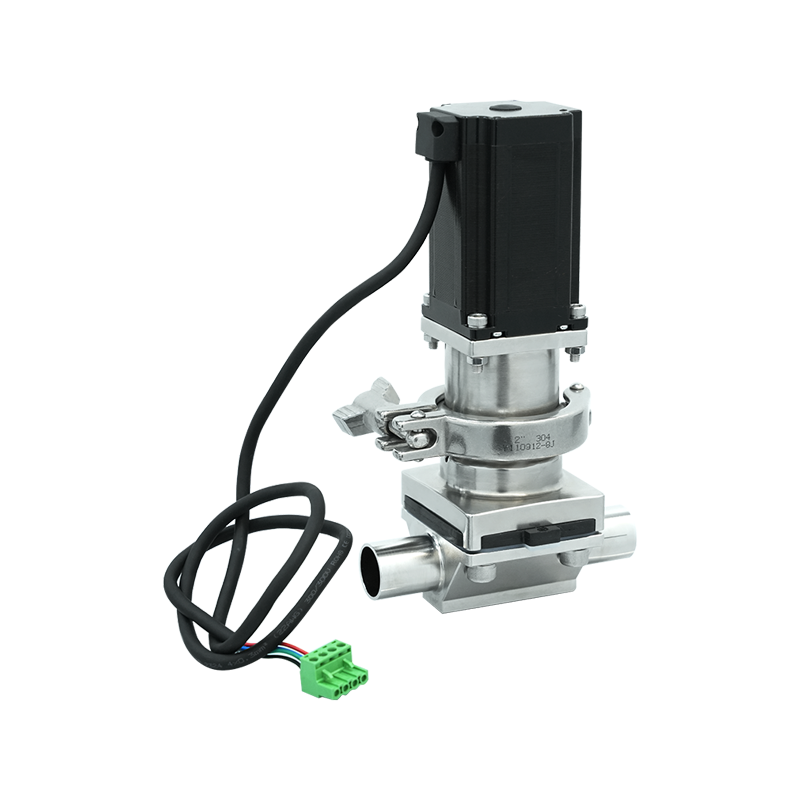
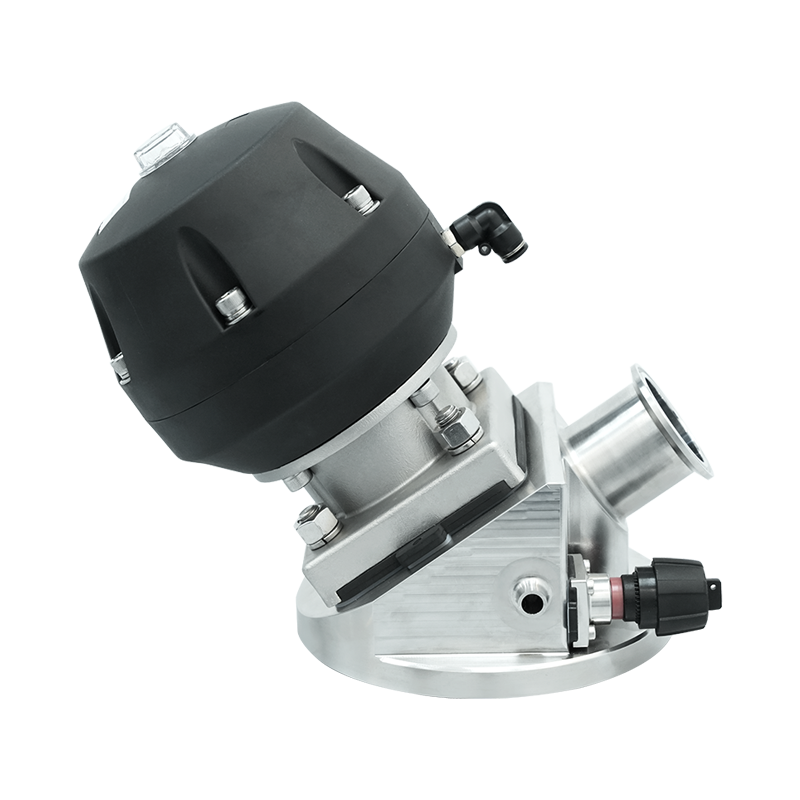
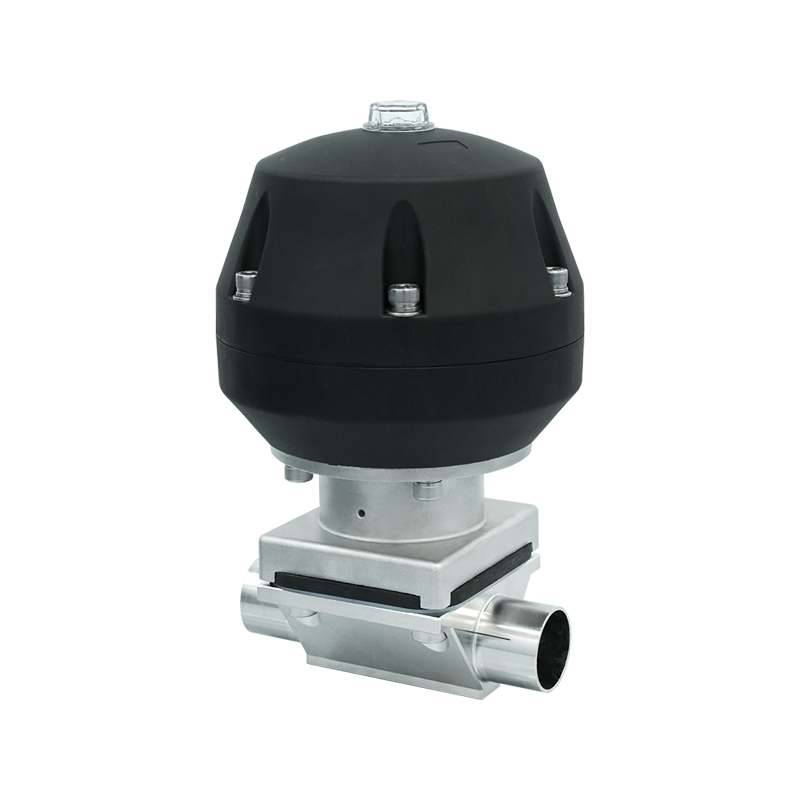
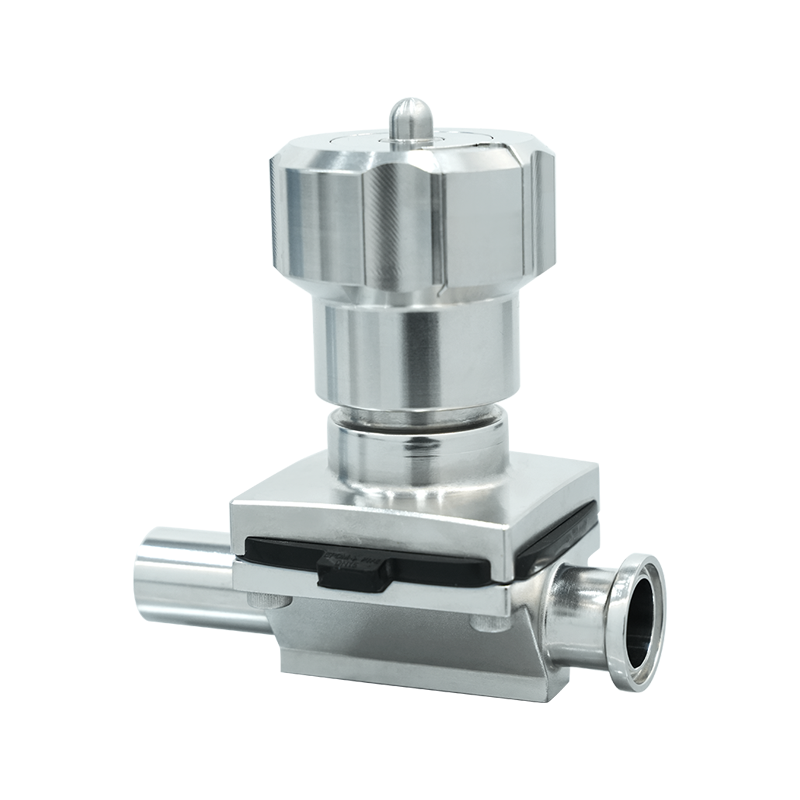
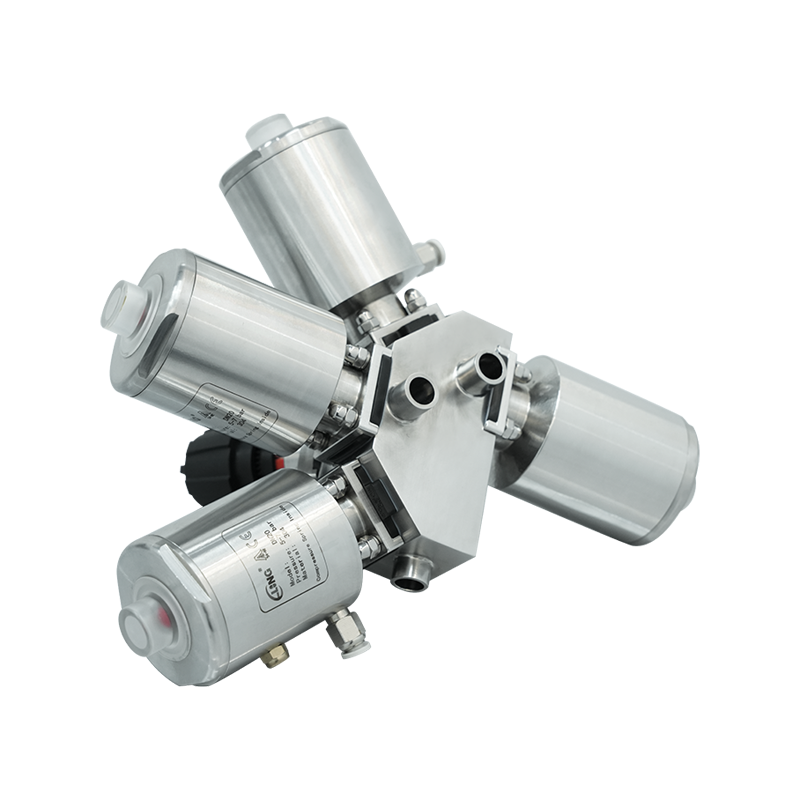
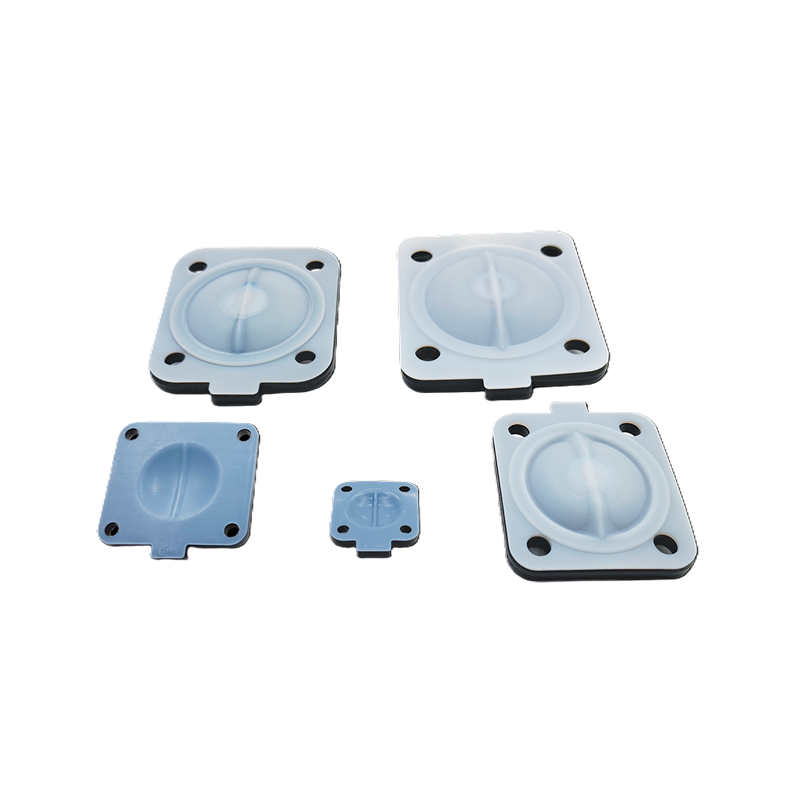
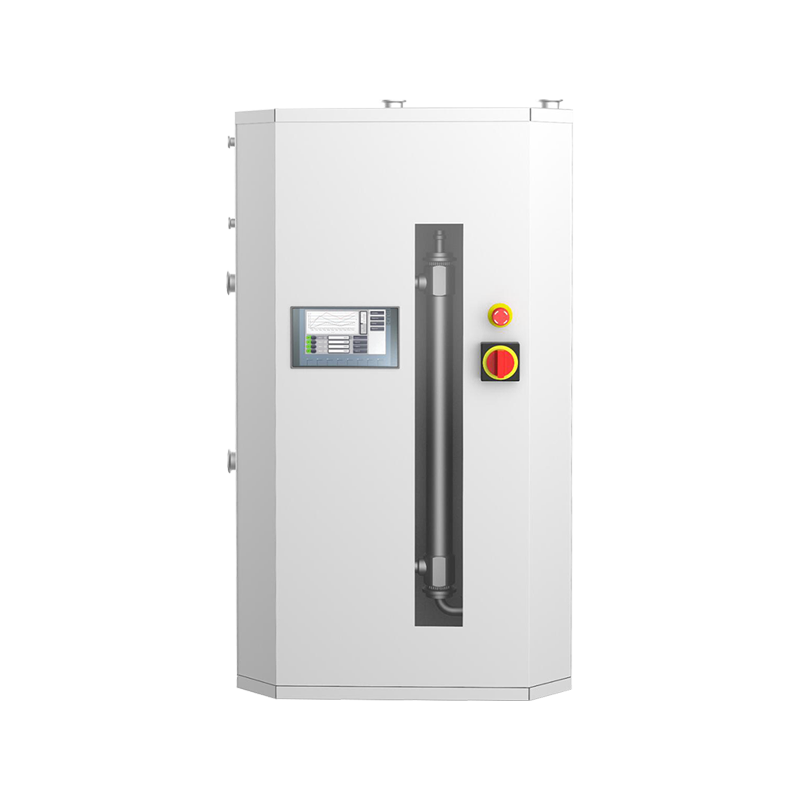
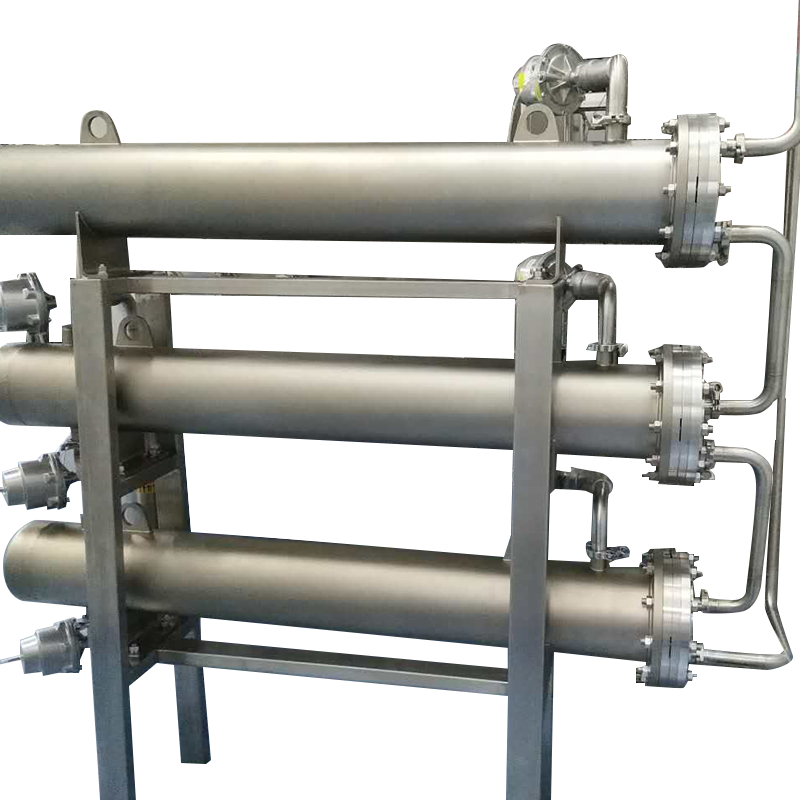

の 製薬用電動ダイヤフラムバルブ バイオ医薬品製造、滅菌水システム、医薬品生産施設において独特の重要な位置を占めています。ダイヤフラムバルブの衛生的な流量制御特性(流体経路がバルブ作動機構から完全に分離されているため、本質的に衛生的なサービスに適した設計)と、電気作動の精度、再現性、自動化機能が組み合わされています。 cGMP (現在の適正製造基準) 規制、FDA ガイドライン、ASME BPE や ISO 14159 などの国際規格によって管理される製薬環境では、流体ハンドリング システムのすべてのコンポーネントが明らかに洗浄可能で、バイオフィルムが付着したデッドレッグがなく、意図した用途に対して検証できなければなりません。電動ダイヤフラム バルブは、正しく指定および保守されている場合、これらの要件をすべて満たしながら、現代の自動医薬品生産に求められる遠隔制御および位置フィードバック機能を提供します。
製薬用電動ダイヤフラムバルブの仕組み
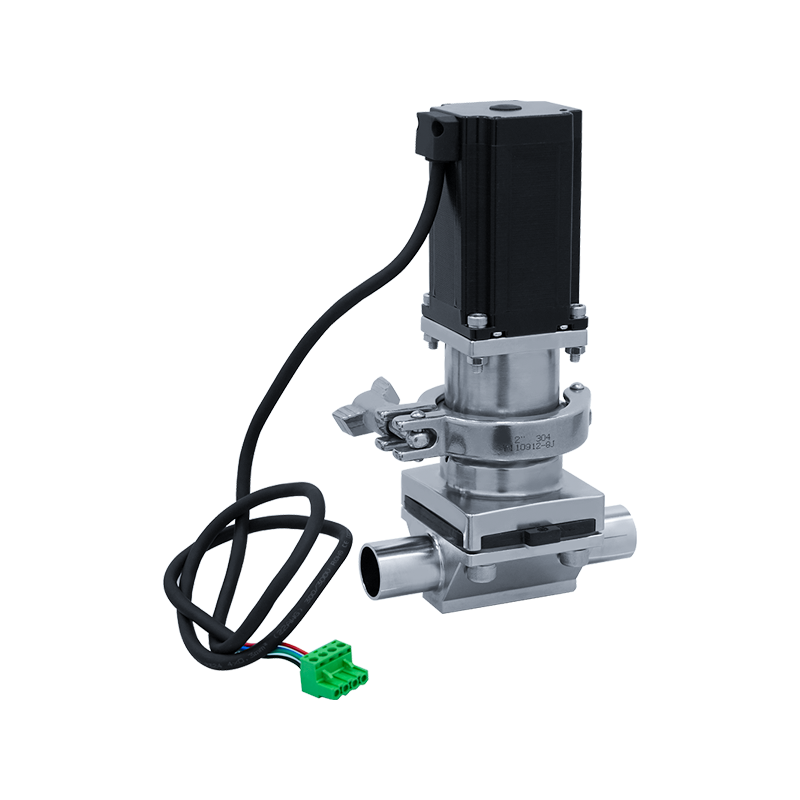
の operating principle of a diaphragm valve is mechanically straightforward but functionally elegant in the context of hygienic service. A flexible diaphragm — typically molded from PTFE, EPDM, or a composite of both — is clamped between the valve body and a bonnet assembly. The diaphragm forms a complete barrier between the fluid in the flow path and the actuating mechanism above it. When the electric actuator drives the compressor downward onto the diaphragm through a central stem, the diaphragm deflects into the valve body and presses against a weir or saddle feature machined into the body — closing the valve and stopping flow. When the actuator retracts the compressor, the diaphragm's inherent elasticity or a return spring causes it to lift away from the weir, opening the flow path.
の electric actuator replaces the manual handwheel or pneumatic cylinder used in non-automated versions with a servomotor or stepper motor assembly driving a precision linear or rotary-to-linear mechanism. This electric drive provides several functional advantages over pneumatic actuation in pharmaceutical applications: it does not require a compressed air supply at each valve location — eliminating the contamination risk of oil-laden instrument air in sterile environments — it can be precisely positioned at any point in its stroke range for modulating service, and it provides inherent position feedback through encoder or potentiometer signals that can be integrated directly into a plant DCS or SCADA system without additional positioner hardware.
製薬システムでダイヤフラムバルブが好まれる理由
の dominance of diaphragm valves in pharmaceutical fluid handling is not accidental — it reflects a combination of design features that align precisely with the hygiene, cleanability, and regulatory requirements of drug manufacturing environments in ways that alternative valve types cannot match.
- 流路にデッドレッグがない: の weir-body geometry of a pharmaceutical diaphragm valve, combined with correct installation in a self-draining configuration, eliminates the stagnant fluid pockets that harbor microbial contamination in ball valves, gate valves, and globe valves with complex internal geometries. ASME BPE specifies maximum dead leg ratios for pharmaceutical piping systems, and properly installed diaphragm valves readily comply with these requirements.
- 流体と機構を完全に分離: の diaphragm provides an absolute barrier between the process fluid and the valve bonnet, stem, and actuator. There is no possibility of lubricants, metallic wear particles, or atmospheric contaminants from the actuating mechanism entering the fluid path — a characteristic that is particularly valuable in sterile water for injection (WFI), purified water, and direct product contact applications where any contamination of the fluid is a serious regulatory and product quality concern.
- CIP と SIP の互換性: 医薬品ダイヤフラム バルブは、現代の医薬品製造における標準的な洗浄および滅菌方法である定置洗浄 (CIP) および定置蒸気 (SIP) プロセスと完全に互換性があります。滑らかで隙間のない流体接触面には、分解することなく CIP 化学薬品と蒸気が効果的に到達して滅菌できるため、手動バルブの保守のために生産を中断することなく、規制要件を満たす検証済みの洗浄サイクルが可能になります。
- 視覚的および物理的な排水性: 医薬品ダイヤフラム バルブ ボディは、T ボディ、アングル ボディ、ストレートスルー構成で利用でき、指定された角度で取り付けた場合に重力下で完全に排水されるように設計されたボディ形状を備えています。プロセスの実行間に液体が滞留すると、微生物が増殖する条件が生じるため、多くの製薬用水および製品システムでは、完全な排水性が規制要件となっています。
製薬サービス向けの構造材料
製薬用電動ダイヤフラム バルブの材料選択は、プロセス流体および洗浄剤との化学的適合性、規制材料規格への準拠、微生物の付着を抑制する表面仕上げ仕様、および規制への提出と検証活動をサポートするトレーサビリティ文書の要件によって決まります。
| コンポーネント | 標準材質 | 主要なプロパティ | 規制に関する参考資料 |
| バルブ本体 | 316L ステンレス鋼 | 耐食性、溶接性、低炭素 | ASME BPE、EN 10272 |
| ダイヤフラム | PTFE/EPDM複合材 | 化学的不活性、耐蒸気性、FDA 準拠 | FDA 21 CFR、USP クラス VI |
| ボンネット | 316L SSまたはPP | 製品非接触、耐腐食性 | ASME BPE |
| ボディシール/Oリング | EPDM、PTFE カプセル化 | 弾力性、蒸気適合性、抽出物 | USP クラス VI、FDA 21 CFR |
| 内面仕上げ | Ra≦0.5μm(電解研磨) | バイオフィルムの付着を軽減し、洗浄性を向上 | ASME BPE SF1 ~ SF4 |
316L ステンレス鋼(316 オーステナイト系ステンレス鋼の低炭素変種)は、炭素含有量が低いため、溶接中の熱影響部での炭化物の析出を最小限に抑え、さもなければ損なわれる溶接アセンブリの耐食性を維持するため、医薬品バルブ本体に広く指定されています。 316L のモリブデン含有量は、304 ステンレス鋼と比較して塩化物孔食に対する優れた耐性を提供します。これは、医薬品洗浄剤に塩素化化合物が頻繁に含まれていることを考慮すると重要です。表面仕上げは Ra (算術平均粗さ) で指定されます。通常、標準的な製薬サービスの場合は Ra ≤ 0.8 μm、WFI および注射用製品システムの場合は Ra ≤ 0.5 μm 以上です。追加の処理ステップとして電解研磨が適用され、表面の凹凸を除去し、鉄に富む表面層を枯渇させ、耐食性を高め、タンパク質の付着を低減する酸化クロムに富む不動態皮膜を生成します。
電動アクチュエータの種類と制御オプション
の electric actuator fitted to a pharmaceutical diaphragm valve determines the valve's control capabilities, its compatibility with plant automation infrastructure, its power requirements, and its behavior under power failure conditions — all of which must be specified with attention to the requirements of each specific application within the process system.
オン/オフ電動アクチュエータ
オン/オフ電動アクチュエータは、デジタル制御信号を受信するとバルブを全開位置と全閉位置の間で駆動します。通常のストローク時間は、アクチュエータのサイズとバルブ DN に応じて 5 ~ 30 秒です。これらは、バルブが 2 つの個別の状態のうちの 1 つだけを必要とする、分離、分流、およびシーケンスのアプリケーションで使用されます。ほとんどの製薬グレードのオン/オフ電動アクチュエータには、開閉位置確認信号を制御システムに提供する移動端リミット スイッチが組み込まれています。これは、バッチ記録の文書化要件を満たし、不完全なバルブ操作によって引き起こされるプロセス逸脱を防ぐためにバルブ状態の確実な確認が必要な、検証済みの製薬プロセスの機能要件です。
変調電動アクチュエータ
変調電動アクチュエータは、アナログ制御信号 (通常は 4 ~ 20 mA または 0 ~ 10 V DC) を受け入れ、信号値に比例してストローク範囲内の連続可変ポイントにバルブを位置決めします。この機能により、プロセス条件の変化に応じてバルブが特定の流量または上流/下流の圧力設定値を維持する必要がある流量制御および圧力調整アプリケーションが可能になります。電気ダイヤフラム バルブを調整する製薬用途には、分配ループ内の精製水の流量バランス、緩衝液調製容器の充填制御、バイオリアクターへのバイオプロセス媒体の添加、洗浄サイクル中の CIP 流量制御などがあります。変調アクチュエータには、アナログ出力 4 ~ 20 mA またはデジタル フィールドバス信号のいずれかである位置フィードバック トランスミッタが組み込まれており、DCS が指令された設定値に対して実際のバルブ位置を確認し、位置ベースのフィードバックによる閉ループ制御を実装できるようになります。
フェールセーフ動作の仕様
の behavior of a pharmaceutical electric diaphragm valve under power failure conditions is a critical safety and process integrity specification that must be deliberately defined for each valve position. Fail-closed (FC) actuators incorporate a spring return mechanism that drives the valve to the closed position when power is lost — appropriate for isolation valves on hazardous or product-critical lines where uncontrolled flow in the event of a power interruption is unacceptable. Fail-open (FO) actuators spring-return to the open position on power loss — used on cooling water supplies to bioreactors and other heat-generating equipment where loss of cooling flow during a power failure would cause greater damage than uncontrolled flow. Fail-in-last-position (FL) actuators use an electronic latch or mechanical lock to hold the valve at its last commanded position during a power failure — applicable to applications where neither open nor closed is inherently safer and where sudden valve movement during a power event would itself cause a process disturbance.
衛生基準と規制遵守要件
医薬品製造で使用される医薬品電気ダイヤフラム バルブは、医薬品またはプロセス ユーティリティと接触する装置の最低限許容される設計、材料、および文書化基準を定義する、多層的な国際規格と規制要件に準拠する必要があります。
- ASME BPE (バイオプロセス装置): の ASME Bioprocessing Equipment standard is the primary technical reference for pharmaceutical fluid handling component design in North American and many international markets. It specifies dimensional standards for tubing and fittings, surface finish classifications, material requirements, weld quality criteria, and cleanability design guidelines that pharmaceutical diaphragm valves must meet to be specified in cGMP-compliant systems.
- FDA 21 CFR パート 211: の FDA's current Good Manufacturing Practice regulations for finished pharmaceuticals require that equipment surfaces contacting drug products or drug product containers be constructed of materials that are non-reactive, non-additive, and non-absorptive — requirements that stainless steel bodies and PTFE-faced diaphragms satisfy for the vast majority of pharmaceutical service conditions.
- USP クラス VI エラストマー: 医薬品バルブのダイアフラムと O リングは、医薬品と接触する可能性のあるエラストマー材料の細胞毒性、全身毒性、皮内反応性を評価する USP クラス VI 生物反応性試験の認証を受ける必要があります。クラス VI 認証は、製品に接触するエラストマーの最低要件であり、製薬ユーティリティ システムにおけるすべての接液性エラストマーにもますます要求されています。
- EHEDG (欧州衛生工学および設計グループ): 欧州の製薬施設の場合、ダイヤフラムバルブ設計の EHEDG 認証は、標準化された CIP 条件下でバルブが定量的な微生物減少基準を満たしていることを証明する洗浄性テストを含む、衛生設計準拠の文書化された証拠を提供します。 EHEDG 認定バルブにより、欧州規制当局への提出のための検証文書化プロセスが簡素化されます。
- 3-A 衛生基準: の 3-A Sanitary Standards program, primarily used in the food, beverage, and dairy industries but increasingly referenced in pharmaceutical applications, certifies equipment designs against sanitary design criteria and provides third-party verification that claimed compliance is legitimate — reducing the burden on pharmaceutical manufacturers to independently verify supplier design claims during equipment qualification activities.
検証と文書化の要件
医薬品製造では、機器を単純に購入して設置することはできません。意図された用途への適合性の証拠を文書化する、構造化された検証プロセスを通じて認定される必要があります。医薬品電動ダイヤフラム バルブは、cGMP 規制で要求される設置適格性確認 (IQ)、動作適格性確認 (OQ)、および性能適格性確認 (PQ) 活動を有効にし、サポートするメーカーの文書パッケージによってサポートされている必要があります。
の minimum documentation package for a pharmaceutical-grade electric diaphragm valve typically includes material certificates (EN 10204 3.1 material test reports for stainless steel components), surface finish measurement records documenting Ra values at specified measurement locations, pressure test certificates, dimensional inspection reports, FDA-compliant elastomer certificates with USP Class VI test reports, and CE or other applicable conformity declarations for the electric actuator. Valve manufacturers with established pharmaceutical market presence typically offer enhanced documentation packages that include factory acceptance test (FAT) protocols, cleaning and sterilization validation support documentation, and change control commitments that notify customers of any changes to materials or manufacturing processes that could affect qualification status — the last of these being particularly important for pharmaceutical customers whose validation activities are invalidated by undocumented changes to previously qualified equipment.
製薬用電動ダイヤフラムバルブの主な選択基準
特定の用途に適切な製薬電気ダイヤフラム バルブを選択するには、構造化された一連の技術的、規制的、および運用上の基準に基づいて作業する必要があります。仕様プロセス中にこれらの要素のいずれかを見逃すと、バルブが規制要件を満たさなかったり、使用中に不適切な性能を発揮したり、時期尚早に交換が必要になったりする可能性があります。
- プロセス流体と洗浄剤の互換性: すべての接液材料(ボディ合金、ダイアフラムコンパウンド、O リング材料)と、特定のプロセス流体、その濃度および温度、および洗浄および滅菌プロトコルで使用されるすべての CIP および SIP 薬剤との適合性を検証します。過酢酸、水酸化ナトリウム、硝酸などの強力な洗浄剤は、プロセス流体自体とは異なる適合性要件をエラストマーに課すため、単独のプロセス流体だけでなく、サービスの化学エンベロープ全体について適合性を検証する必要があります。
- 圧力と温度の定格: バルブの最大許容作動圧力 (MAWP) と温度定格が、通常 85 ~ 90°C に達する CIP 温度や、蒸気圧力で 121 ~ 134°C の SIP 条件など、バルブが使用中に経験する最も厳しい条件をカバーしていることを確認します。高温ではダイヤフラムの寿命が大幅に短くなるので、定期的に SIP サイクルにさらされるバルブについては、それに応じてダイヤフラムの交換間隔を計画する必要があることに注意してください。
- 制御システムインターフェースの要件: アクチュエータを指定する前に、必要な制御信号タイプ (デジタル オン/オフ、アナログ 4 ~ 20 mA、PROFIBUS、FOUNDATION フィールドバス、HART などのフィールドバス プロトコル)、電源電圧、およびフィードバック信号要件を定義します。制御ループに複雑さと潜在的な障害点を追加する追加の信号変換ハードウェアを必要とせずに、選択したアクチュエータがプラントの DCS または PLC インフラストラクチャと互換性があることを確認します。
- 本体形状と取付方向: 配管レイアウトに適したバルブ本体の形状 (堰体、T ボディ、アングル ボディ) を選択し、取り付けられたバルブが完全に排水し、システム設計仕様を超えるデッドレッグが発生しないようにします。バルブが必要な方向に取り付けられることを確認します。ほとんどの医薬品ダイヤフラム バルブは、重力による排水を確保するためにボンネットが水平より上になるように取り付ける必要があります。また、取り付け位置がパイプを分解することなくダイヤフラム交換に適切にアクセスできることを確認します。
- ダイヤフラム交換のアクセスしやすさと頻度: ダイヤフラムの交換は製薬用ダイヤフラム バルブの主要なメンテナンス作業であり、その頻度は動作圧力、温度、サイクル頻度、および化学物質への曝露によって異なります。取り付け位置でバルブ ボンネットにどの程度アクセスできるか、またボンネットの設計により特別な工具や長時間のダウンタイムを必要とせずにダイヤフラムを交換できるかどうかを評価します。一部のメーカーは、特に高周波数サイクル用途でのダイヤフラム交換時間を最小限に抑えることを目的としたクイックリリースボンネット設計を提供しています。
- メーカー検証サポート機能: 製薬市場におけるバルブメーカーの経験と、製薬顧客が必要とする認定文書、変更管理へのコミットメント、検証活動の技術サポートを提供する能力を評価します。医薬品市場での経験や文書化インフラストラクチャのないメーカーが製造する技術的に優れたバルブは、十分に文書化された確立された医薬品バルブサプライヤーが提供する製品よりもはるかに多くの検証作業と規制リスクを生み出す可能性があります。
長期的な信頼性を実現するためのメンテナンスのベスト プラクティス
耐用年数にわたって医薬品用電動ダイヤフラム バルブを正しく維持することで、施設の法規制順守ステータスと、生産および洗浄サイクル全体を通じてこれらのバルブが確実かつ予測どおりに動作することに依存する製品品質保証システムの両方が保護されます。
プロセス流体がエラストマーの破片で汚染される可能性がある目に見えるダイヤフラムの故障を待つのではなく、リスクベースの予防保守スケジュールに基づいてダイヤフラムの検査と交換を行うことが、製薬用ダイヤフラム バルブのメンテナンスの基礎です。メーカーの推奨事項、実際の使用条件、および各バルブ位置での使用中のダイヤフラムの故障の結果に基づいて、交換間隔を確立します。滅菌製品ラインまたは WFI システムの重要なバルブには、重要度の低いユーティリティ バルブよりも保守的な交換間隔が必要です。設置日、ダイアフラム交換履歴、メンテナンス中に観察された異常など、各バルブの詳細なメンテナンス記録を保管します。この文書は、プラントのメンテナンス管理システムと施設の規制検査の準備の両方をサポートします。電動アクチュエータの場合は、毎年、およびアクチュエータの取り外しを伴うメンテナンス後に位置フィードバック校正を確認してください。校正ドリフトにより、バルブが誤った位置状態を制御システムに報告する可能性があり、自動化された生産シーケンスで検出されないプロセス偏差が発生する可能性があります。